Uncategorized
-
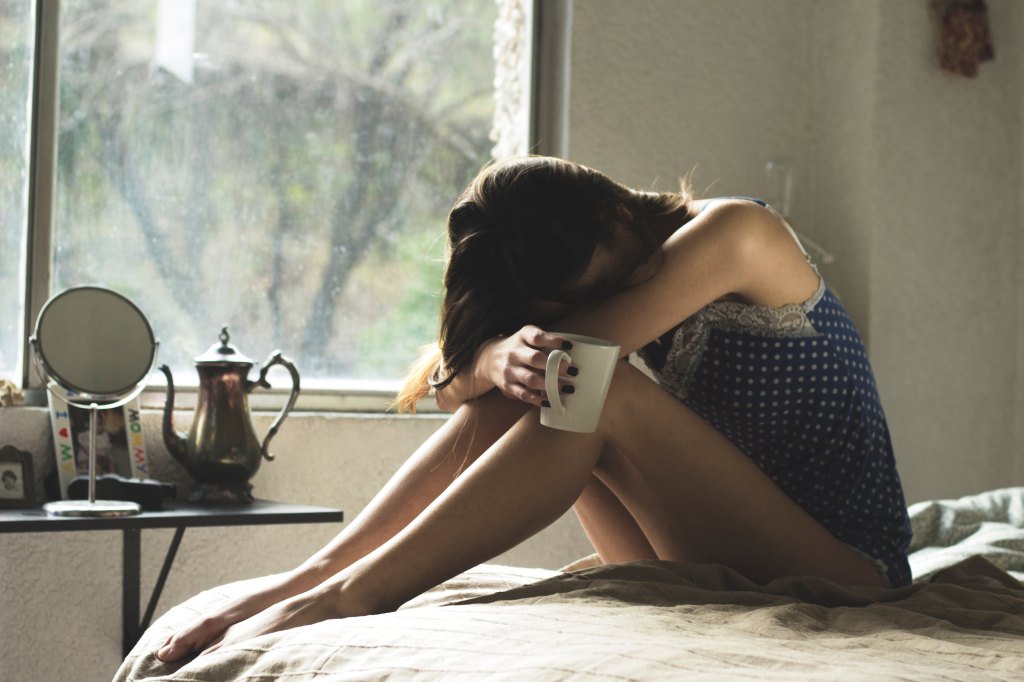
Many people who were abused as children experience pain symptoms, either acutely or chronically. Most common are headaches and back pain. Now it is suggested that in both cases, patients who experience migraines and/or chronic low back pain be screened for child abuse. My experience with pain as part of the fallout stems from CSA…
-
Emotions tend to run high around the idea of forgiveness when it comes to child abuse and especially child sexual abuse (CSA). Understandably so. I am not advocating that you forgive your abuser(s), especially if you are in the early stages of coming to terms with what happened to you. There are so many things…
-

We’re always tense, always on guard, those of us with CPTSD. Braced. Tight. Clenched. Muscle armoring goes along with hypervigilance. The body is perpetually preparing for flight, preparing to fight, or stuck in freeze. There’s often pain when the muscles are constantly tensed and overworked. There can also be body imbalances, fibromyalgia, and breathing problems…
-

Hypervigilance is what it sounds like – a constant scanning of the environment, faces, postures, avenues of escape, and more. It feels like you are in constant danger and you need to plan for escape in case things take a turn for the worse, or the unexpected. It is the feeling of permanently walking on eggshells.…
-
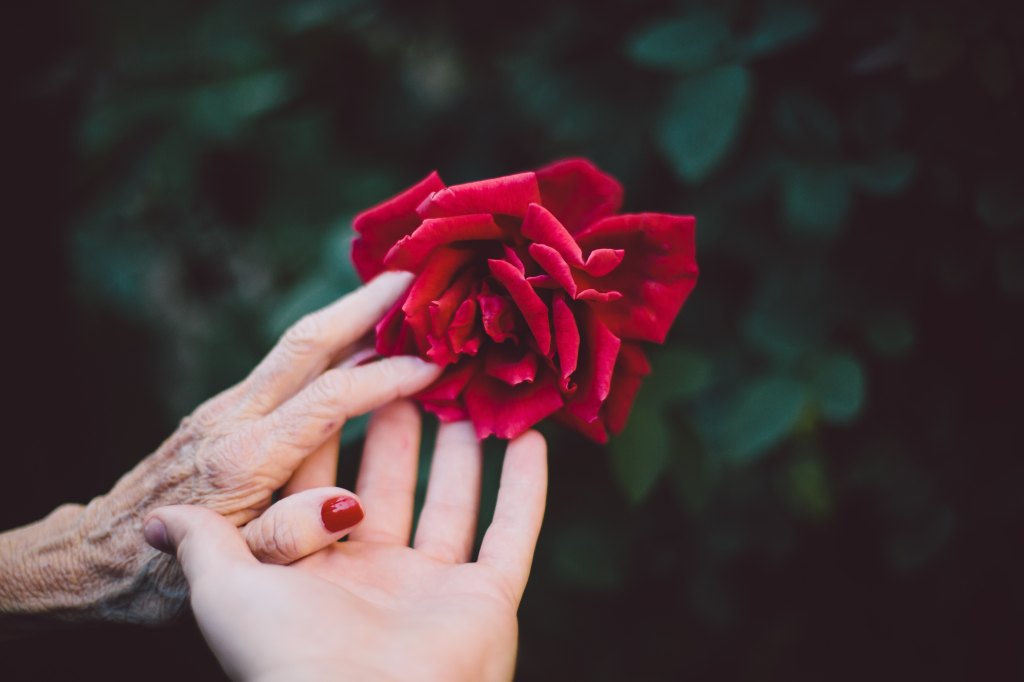
This will be painful. These abusive behaviors travel through families until someone makes the decision to feel the pain. That is part of stopping the cycle. You will survive it and a good trauma therapist or group can make it easier to bear. Consult with a psychiatrist about an anti-depressant. I found that bupropion (generic…
-

The hippocampus is part of the limbic system. It is roughly the shape of a seahorse and, as with the amygdalae, there is one in each temporal lobe in the middle bottom of the brain and they are about the size of your thumbs. Stress affects the amygdala,the hippocampus and the prefrontal cortex, often with…
-
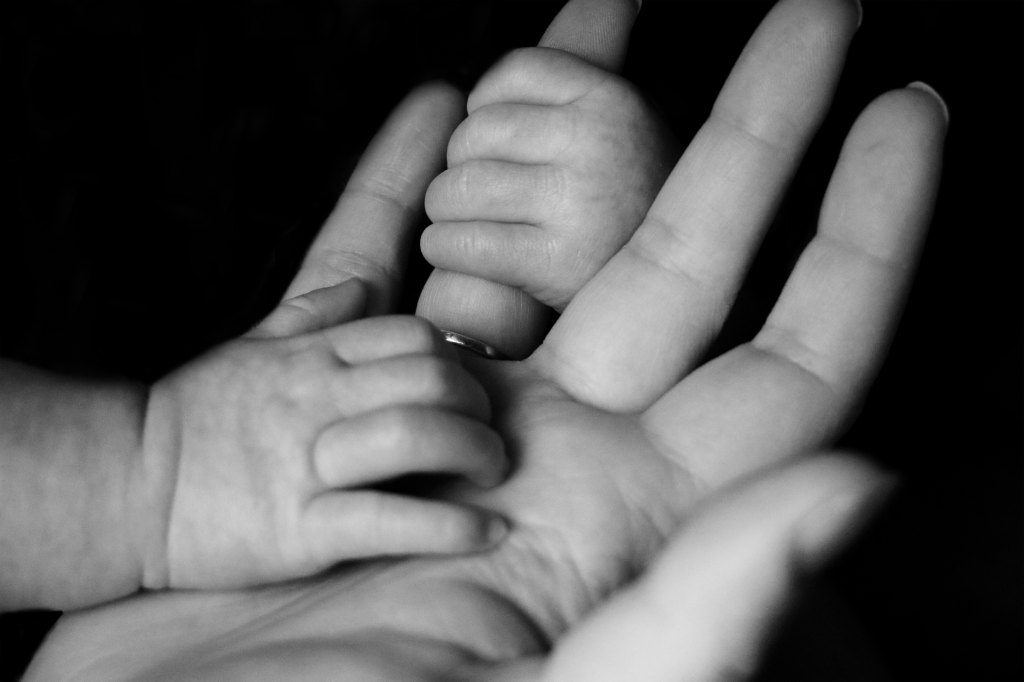
Look for patterns around ages and dates. From my own experience researching my memoir, things recur on anniversaries, in patterns, at certain times of the year, or at certain ages. I was three when I was molested. My mother was three when her parents divorced and her little sister died and so on. This is…
-
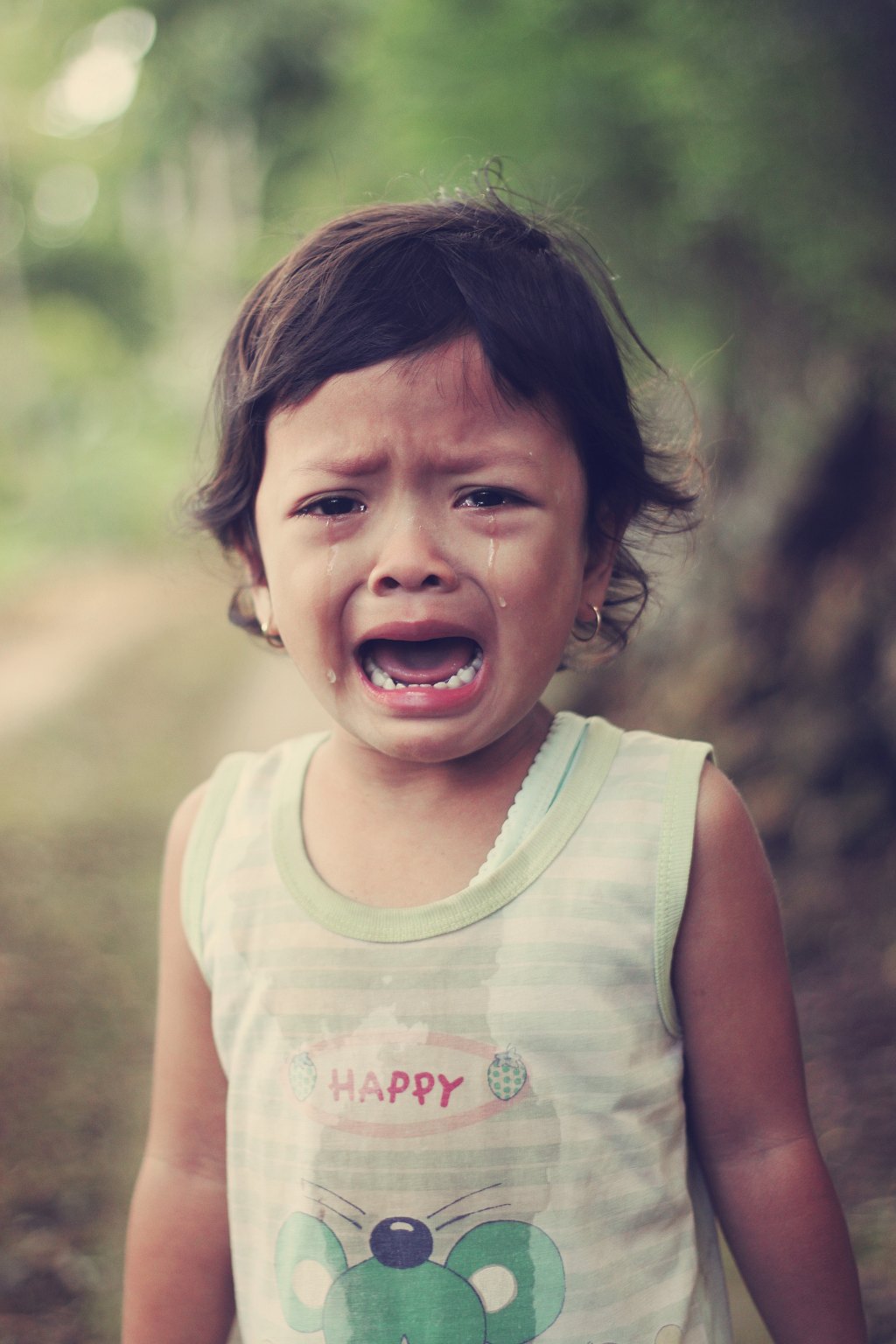
Complex PTSD results from prolonged or chronic traumatic exposure as is the case with child abuse. For a child, there’s no viable escape and the people who are supposed to love, protect, and care for the child… don’t. Most child abuse includes just enough carrots – good times – to be utterly confusing. The good…
-
Changes are high that if you were abused as a child, that person is or was a narcissist. Understand what you’re dealing with in order to to stop the cycle. After you’ve been in therapy and with the advice of a good trauma therapist and your partner on board, tell your children the truth when…

